Rocky Mountain National Park is, without a doubt, one of the most ecologically diverse and historically rich national parks within the United States. Ranging from 7,800 to 14,259 feet above sea level. The park protects a wide range of distinct ecological zones, including the montane, subalpine, riparian, and, most notably, the alpine tundra. Each of these zones supports unique wildlife and flora that can only exist within these environments.
The Alpine Tundra is one of the rarest and unique ecosystems that exists within the park, being found only above 11,000 to 11,500 feet. Due to this harsh environment, unique, specialized flora and wildlife can only exist within this landscape. With cute critters such as the Pika, Marmot, and White-tailed Ptarmigan calling this place home. Thanks to the park’s developed infrastructure, Trail Ridge and Fall River Road provide visitors across the country easy access to this unique and special landscape.
But the park is far more than its unique ecology, with a rich history even before its inception as a National Park in 1915. Indigenous tribes such as the Ute and Arapaho lived and traveled through these mountains for hundreds of years. Traces of their activity were found through ancient trails like the Ute Trail, highlighting how humans interacted and survived in this unique environment.
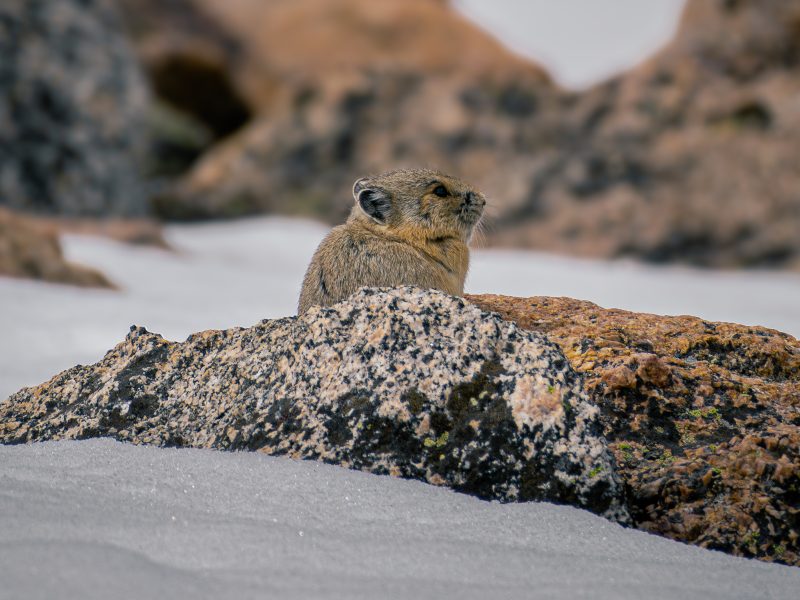
A very cute pika
The recent history of the park is also fascinating, with figures such as Enos Mills, who helped push for environmental conservation and the creation of Rocky Mountain National Park. Similarly, pioneers such as Abner Sprague and Green MacPherson helped develop some of the first attractions and businesses within the park. We can still explore these areas today at Sprague Lake and the Moraine Park Discovery Center. Similarly, writers like Isabella Bird helped spark worldwide interest in the park, describing its rugged beauty.
In my very biased opinion, Rocky Mountain National Park stands as one of the most special places within the United States. Offering access to some of the country’s most unique and interesting wildlife and ecological zones. Along with a chance to understand human history and our own personal connection with nature and the environment. If you come to visit Rocky Mountain National Park, you won’t be disappointed, and I’d love to explain why at one of my talks or at the visitor center.
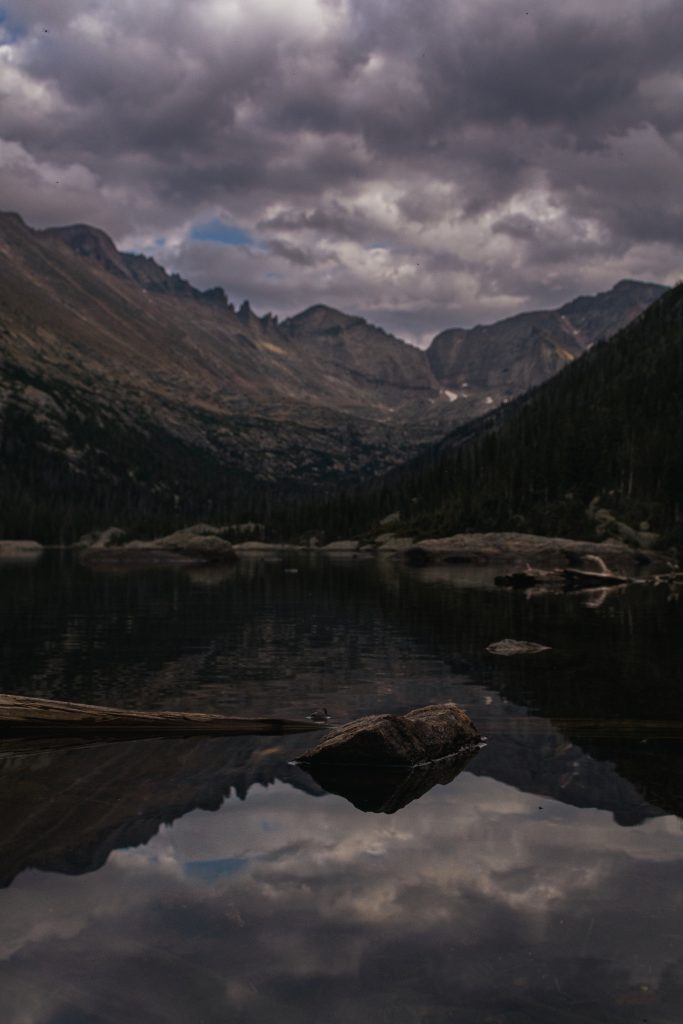
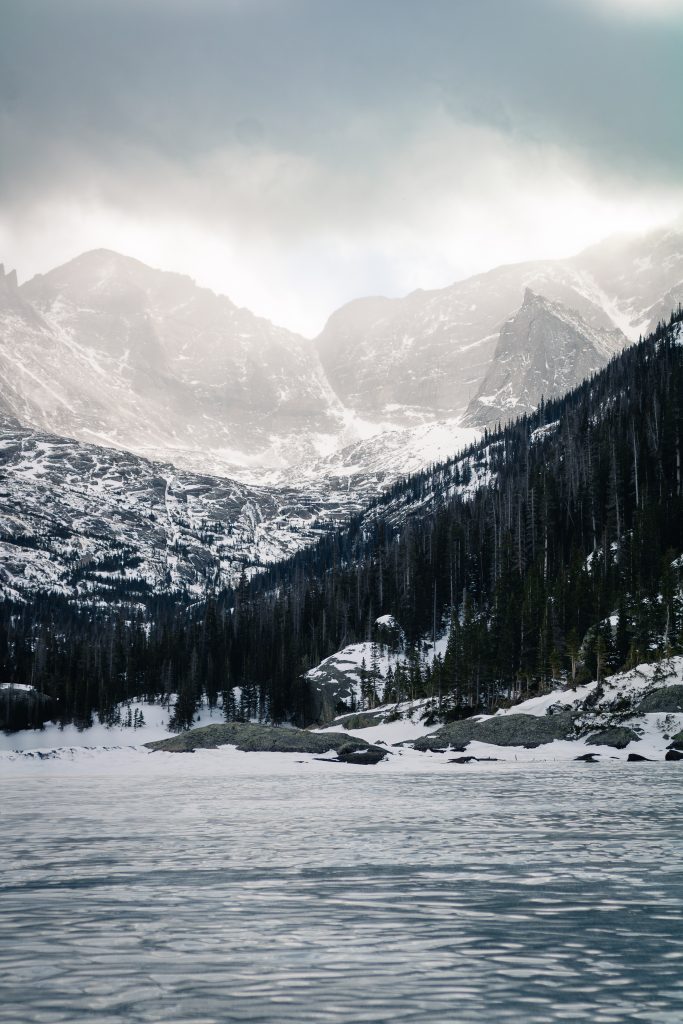
Mills lake named after enos mills summer verseus winter


No Comments