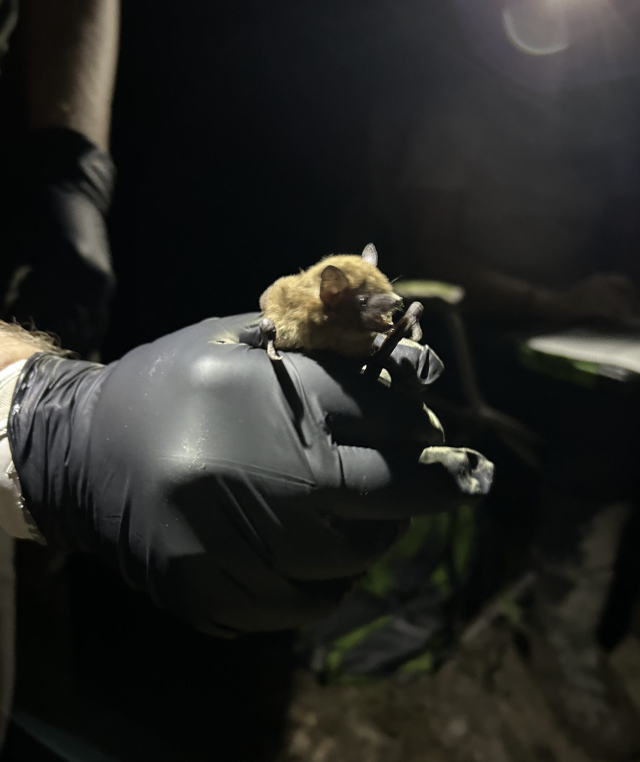
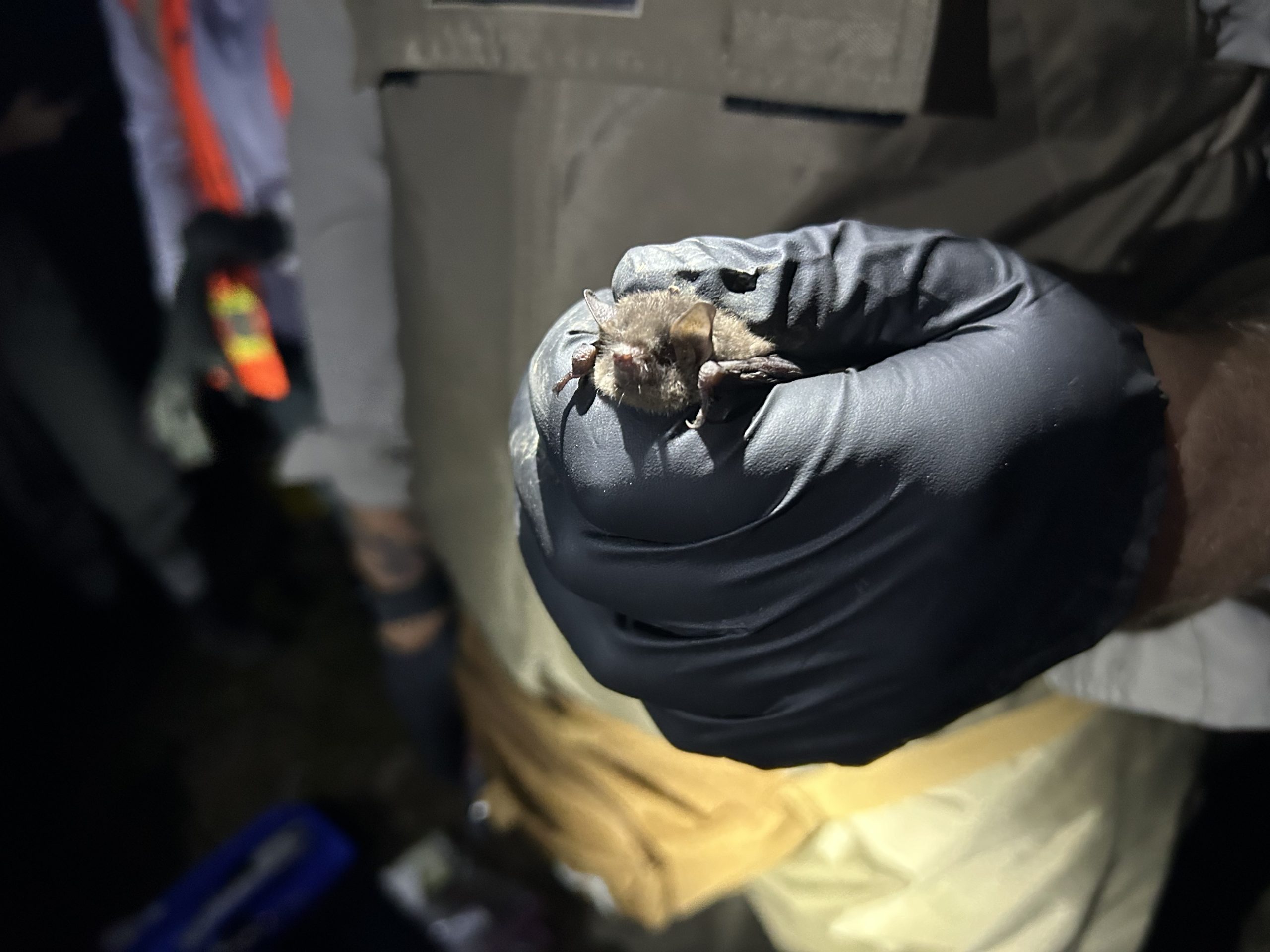
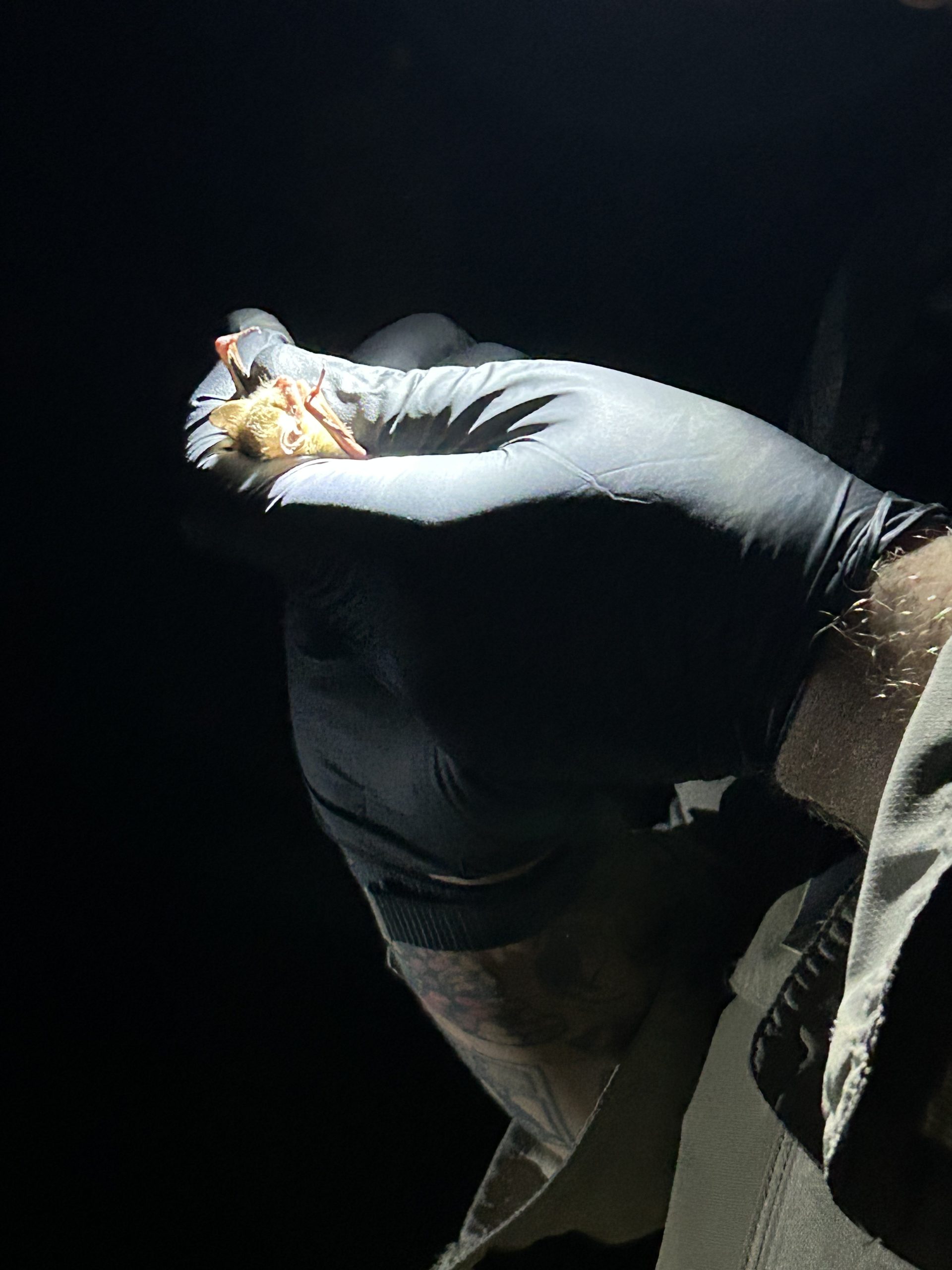
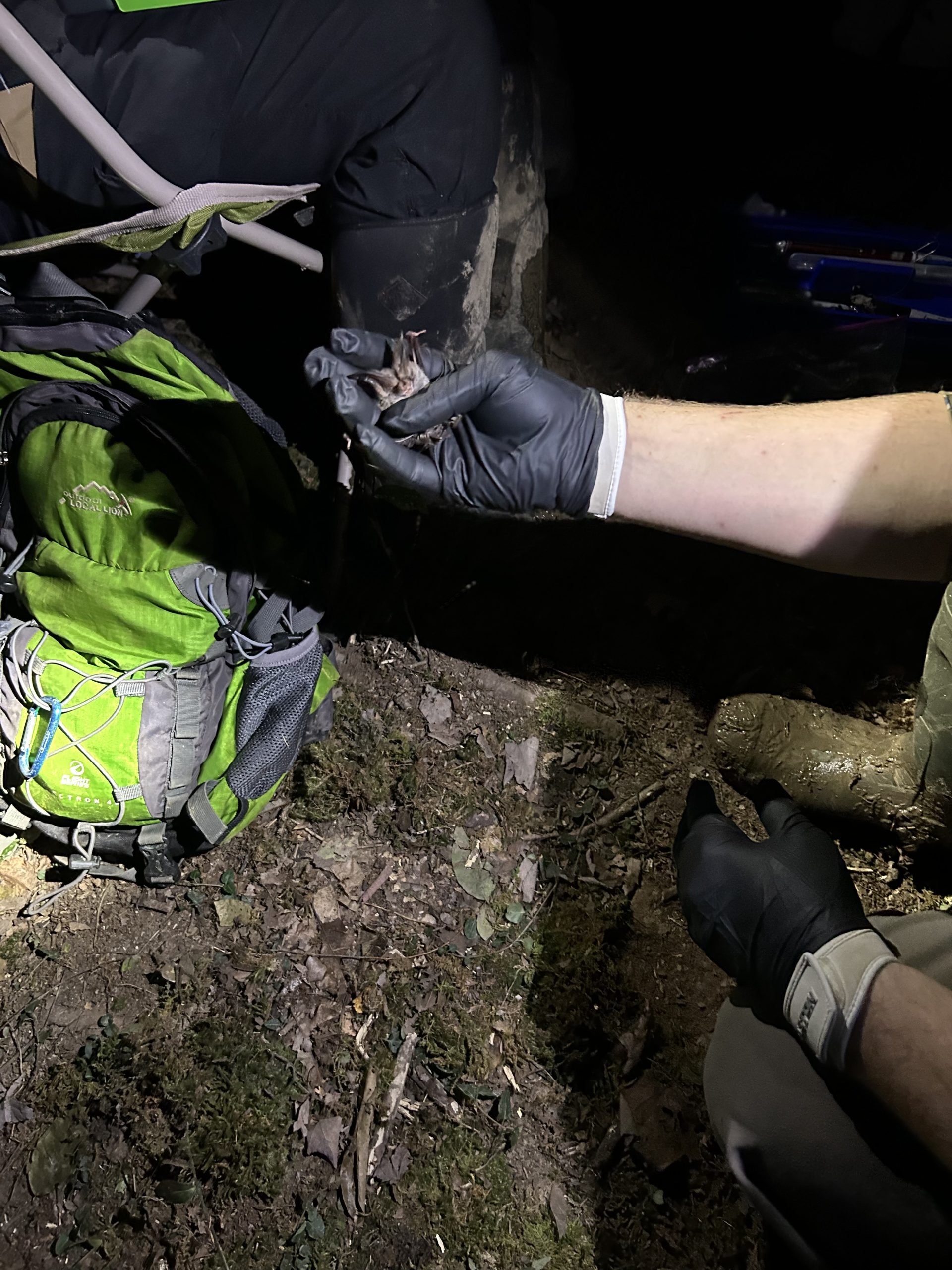
These past two weekends have consisted of lots of bat activities at Mammoth Cave. We started out by hosting a Bat Blitz for biologists to collect survey data, at night, throughout different locations in the park. I was able to participate as a volunteer for the park and see the process of bat handling and survey collection. A few of the bat species that were collected included:
There are 13 species of confirmed bats that live in the park, three of which are on the Federal Endangered Species List.
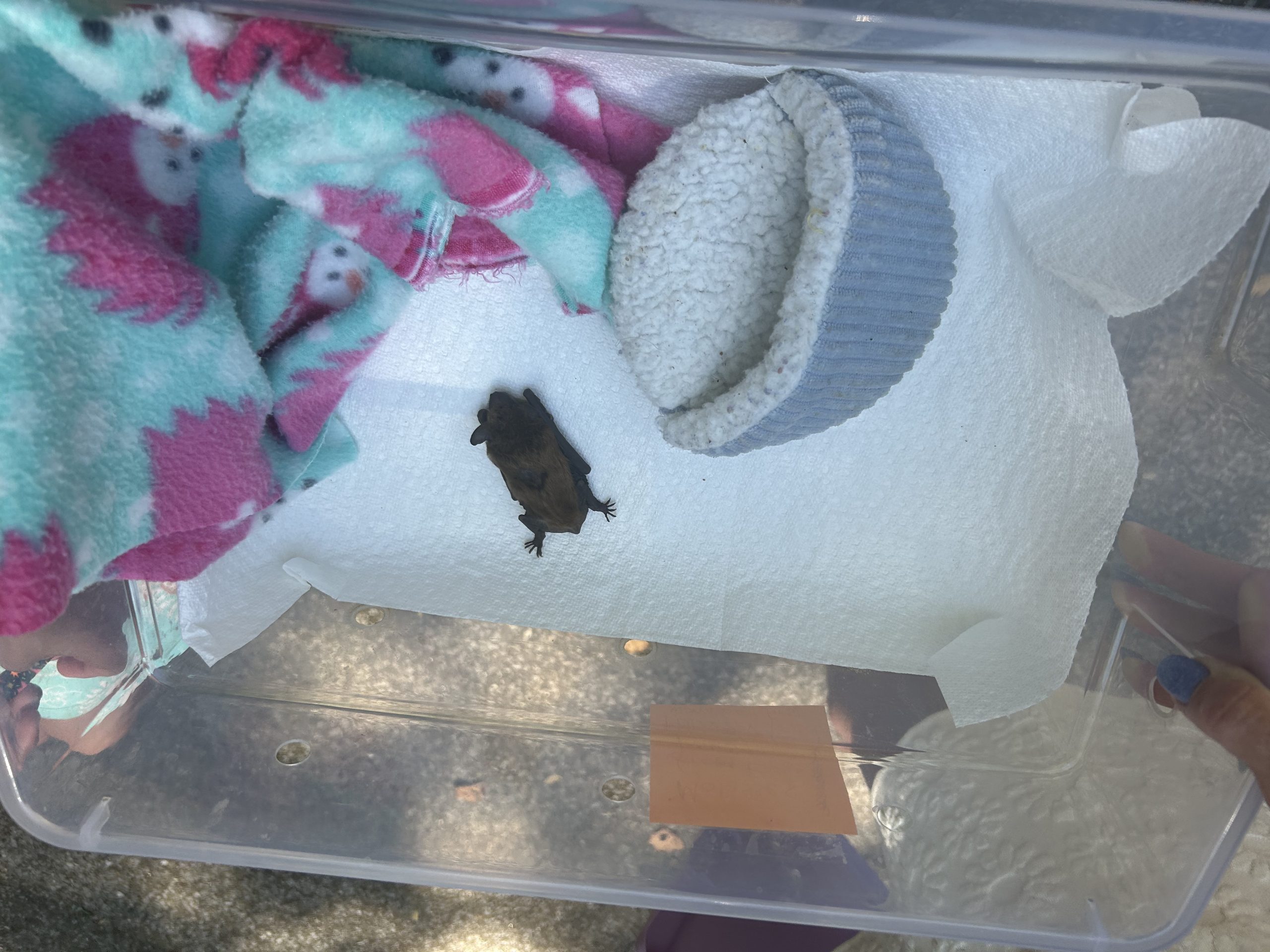
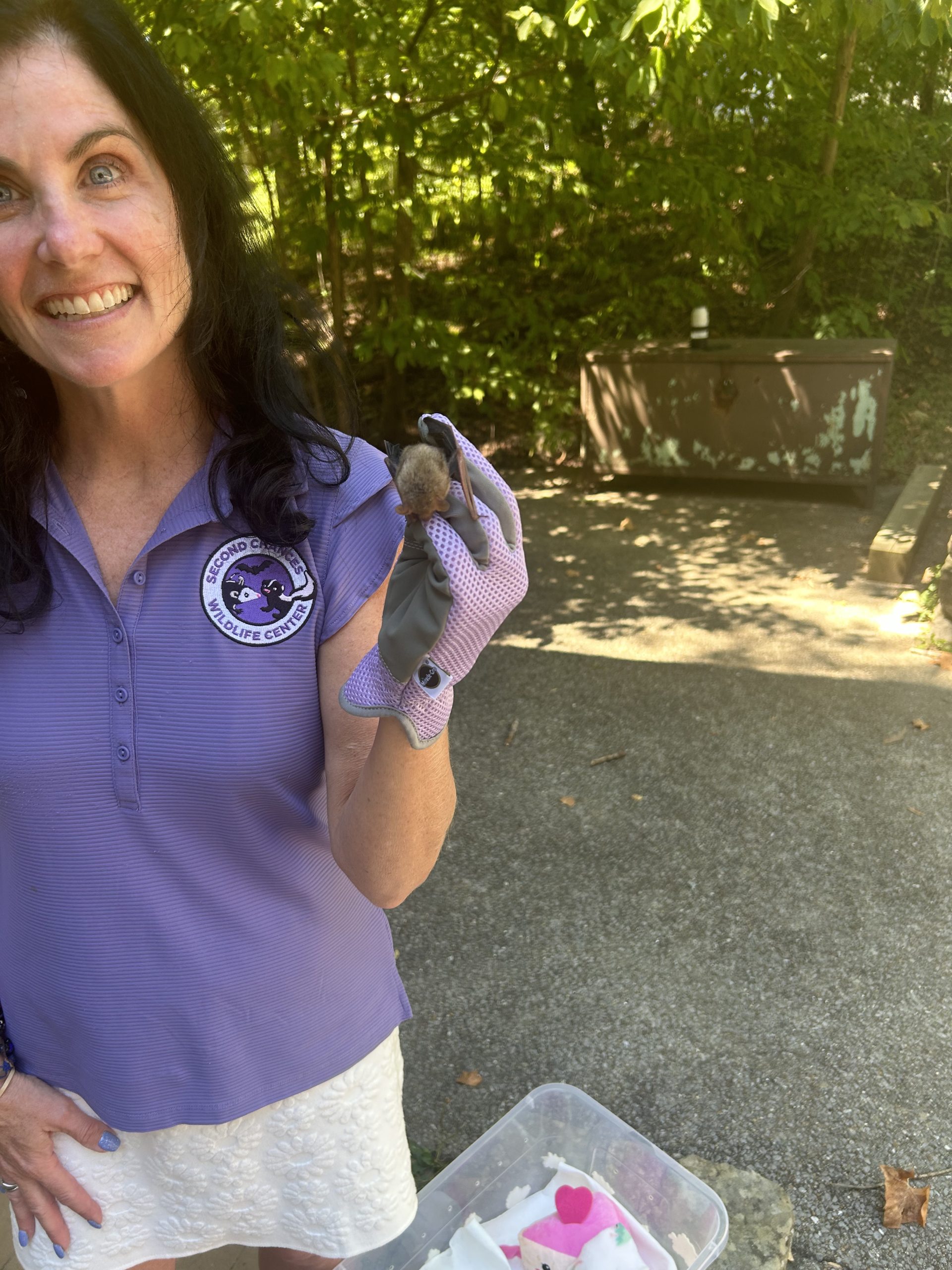
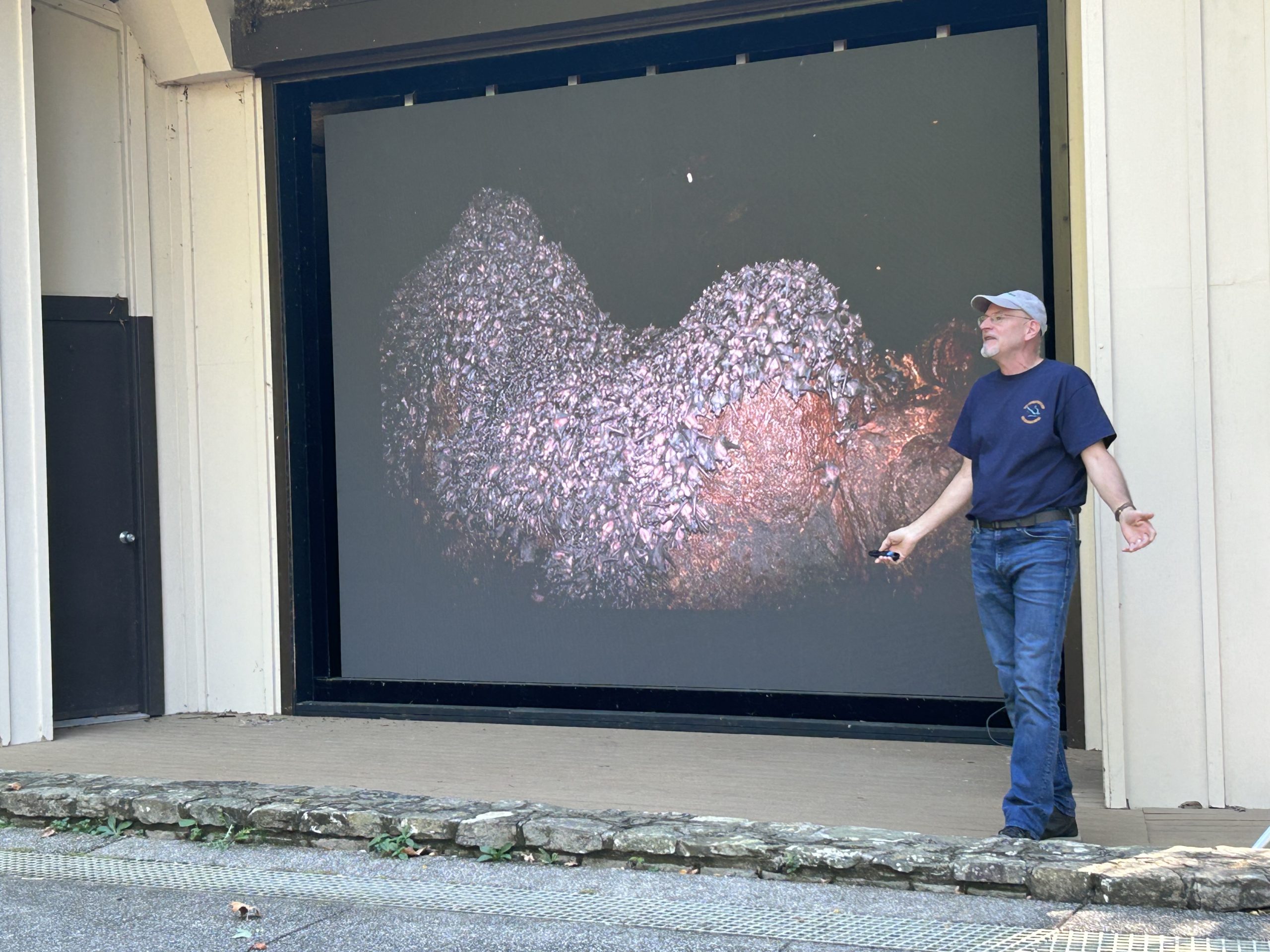
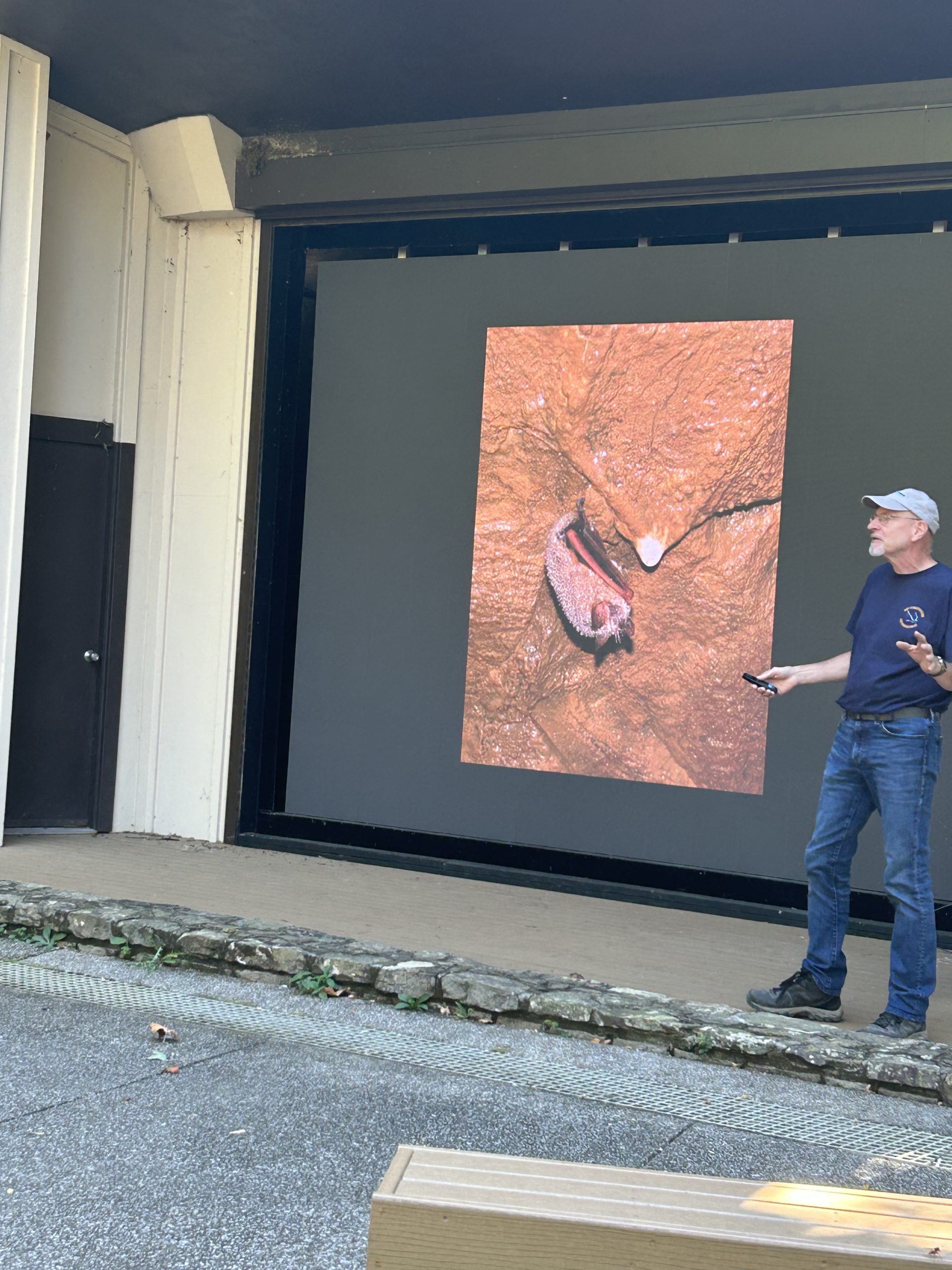
The following weekend was Bat Day, held on August 30, and was open to visitors, starting at 10AM and holding talks every hour until 6PM. These talks ranged in topics that related to cave management, bat conservation, rehabilitation and research. I was able to attend a discussion on Bat Rehabilitation and Release. The speaker was Brigette Brouillard, Founder and Executive Director of Second Chances Wildlife Center, a Kentucky nonprofit, that takes care of numerous bats including adults and newborns. She discussed some of the threats that bats face in nature and spoke of the measures it takes to bring these bats back to health, so that they can be released back into the wild. At the end of the discussion we were introduced to two of their bats undergoing rehabilitation. Another talk that I attended was with biologist Keith Christenson, who discussed his variety of bat field work around the world and previewed pictures of different cave systems and environments that different species of bats lived in. During some of his field work, he explored a cave and found a big group of baby bats nested together. While doing research in another cave he found a bat that was covered in frost.
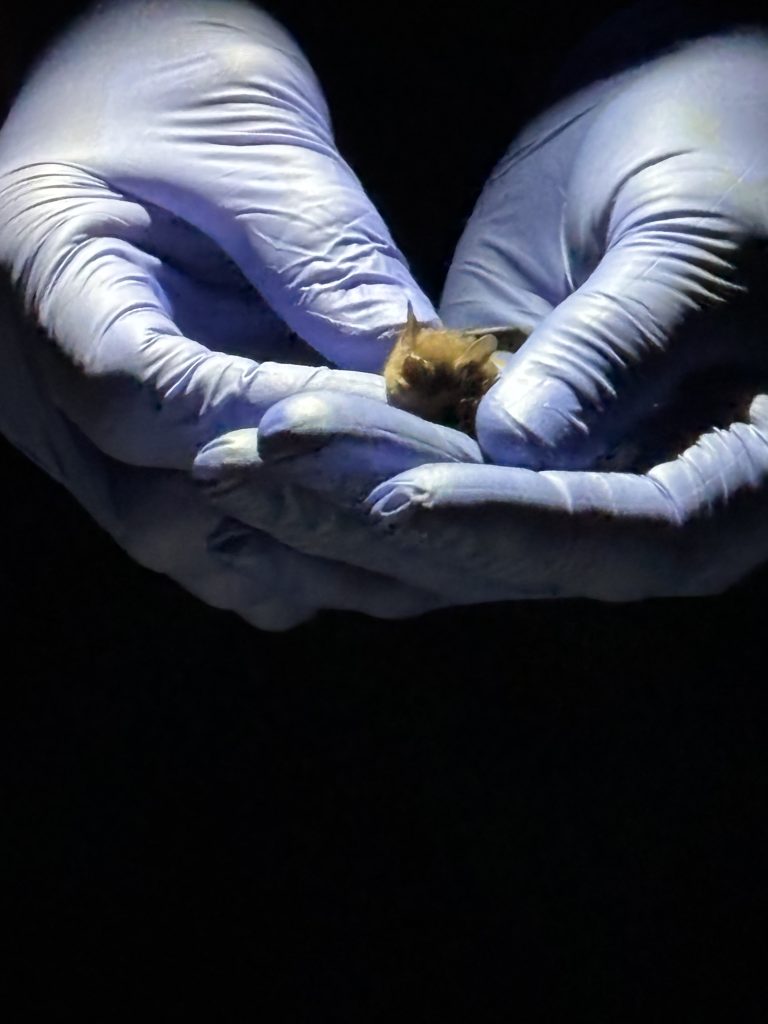
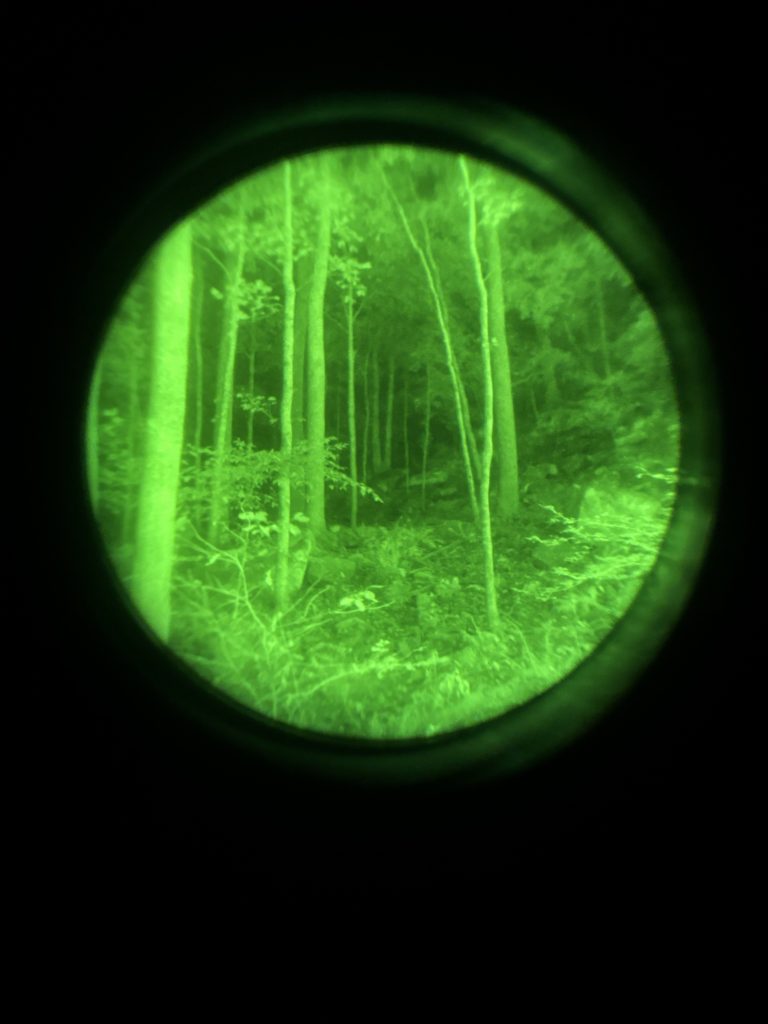
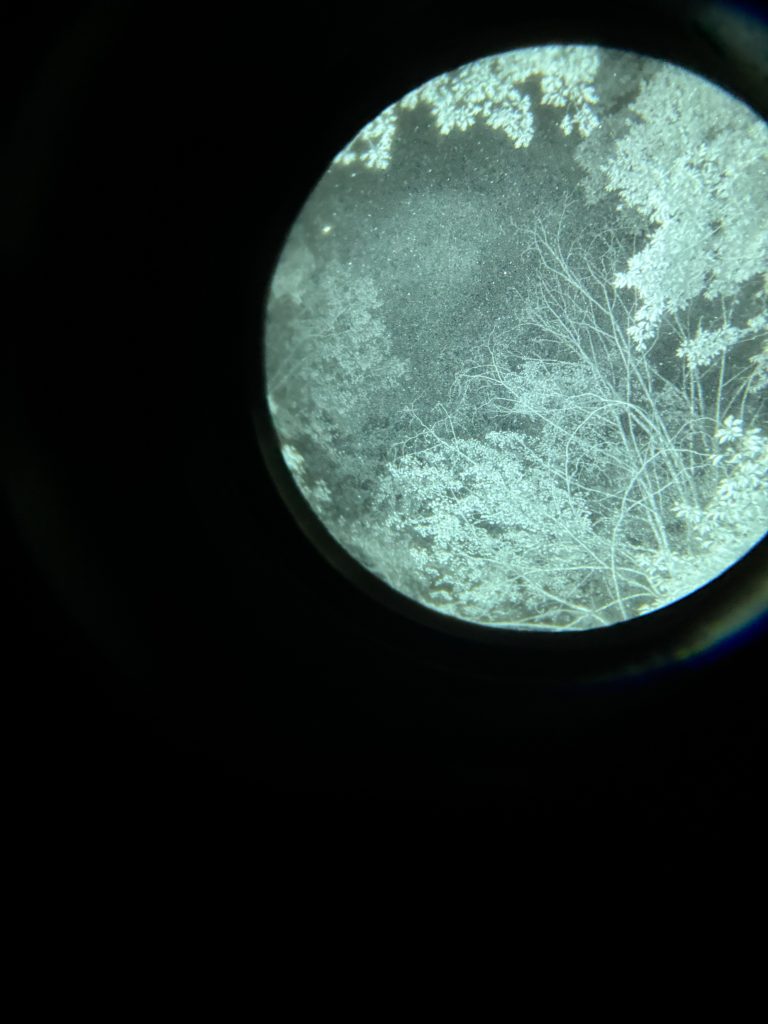
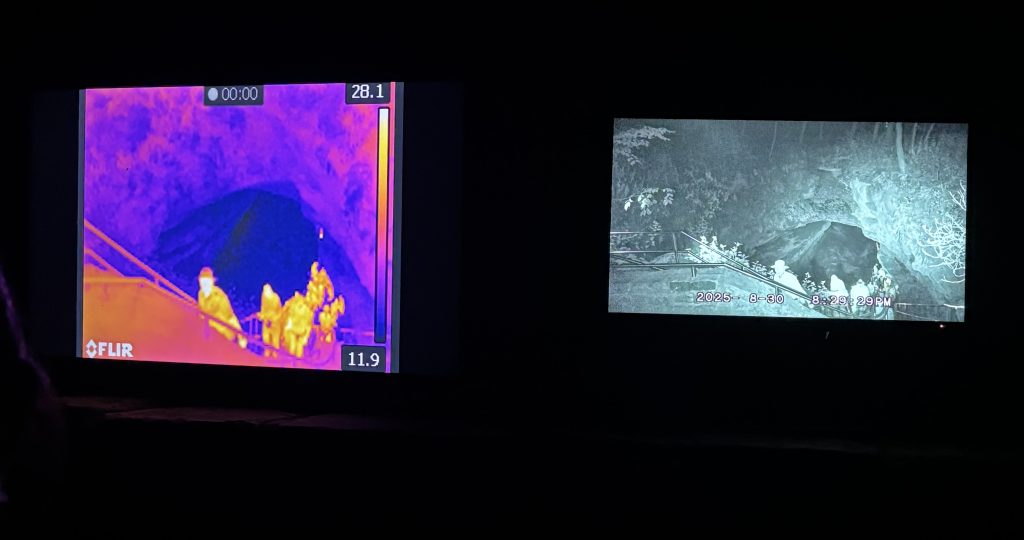
At 7PM, Bat Night at the Historic Entrance of Mammoth Cave started. There were four data collection stations set up to allow visitors to see the process of the data collection. One of these stations allowed visitors to view bats in hand with the biologists. To ensure both the safety of the visitors and of the bats, visitors were asked to maintain 6 feet of distance from the station. Other stations had monitors that allowed visitors to see different screens that showed the process of bat collection inside the cave. There was also an opportunity to view night vision goggles and look into the Historic Entrance, where the data collection was occurring. This event was led by John Chenger, Bat Conservation and Management, Steve Thomas, Network Program Manager of Cumberland Piedmont Network and Mammoth Cave National Park, and Rick Toomey, Cave Management Specialist, Mammoth Cave National Park.
Demonstration of bat in hand.
View of night vision goggles.
View of phosphorus night vision goggles.
Monitors displaying thermal indication and night vision of the bat data collection at Mammoth Cave Historic Entrance.
Participating as a volunteer for the Bat Blitz, as well as Bat Day and Night, has been an exciting opportunity. I have enjoyed learning about the bats and their importance at Mammoth Cave.



No Comments