Birding at Saugus Iron Works

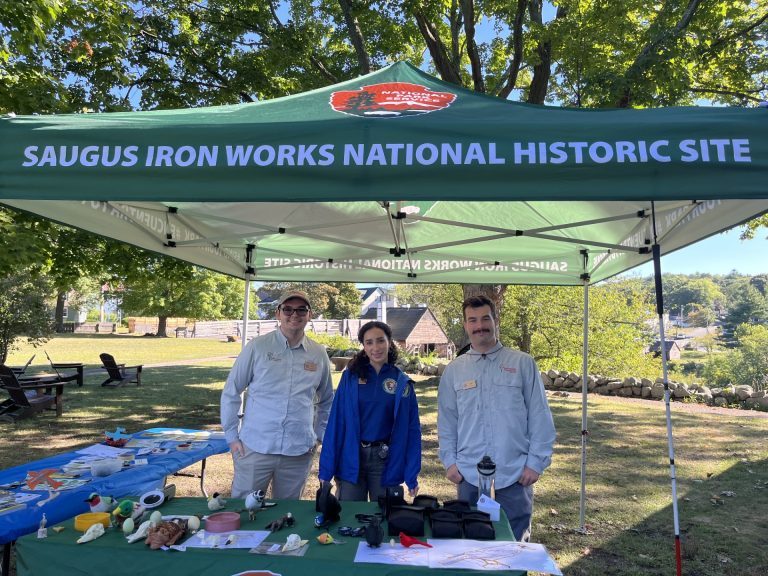
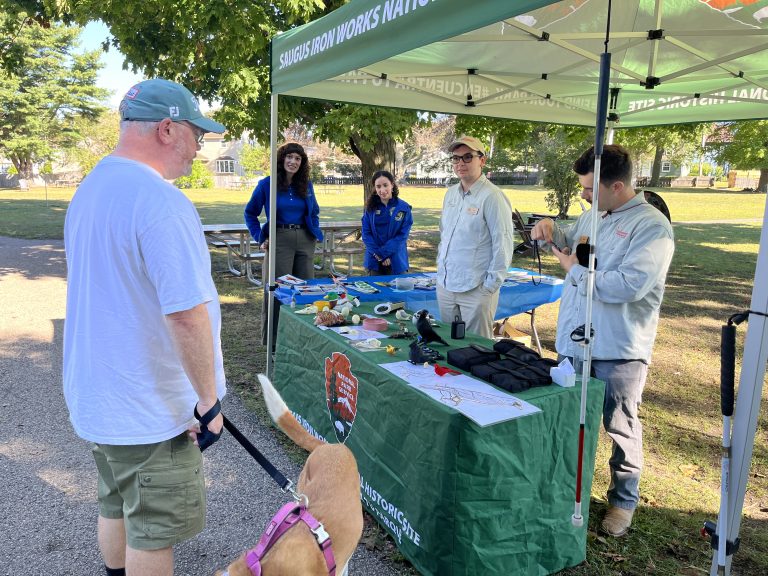
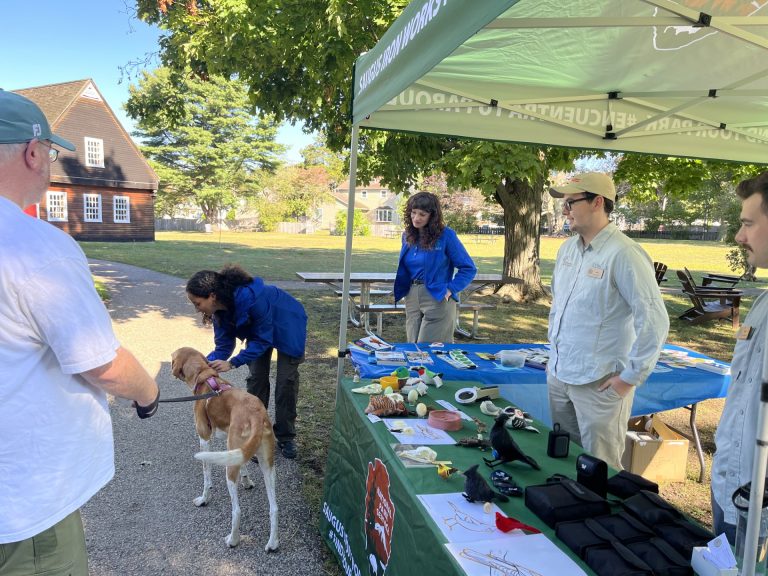
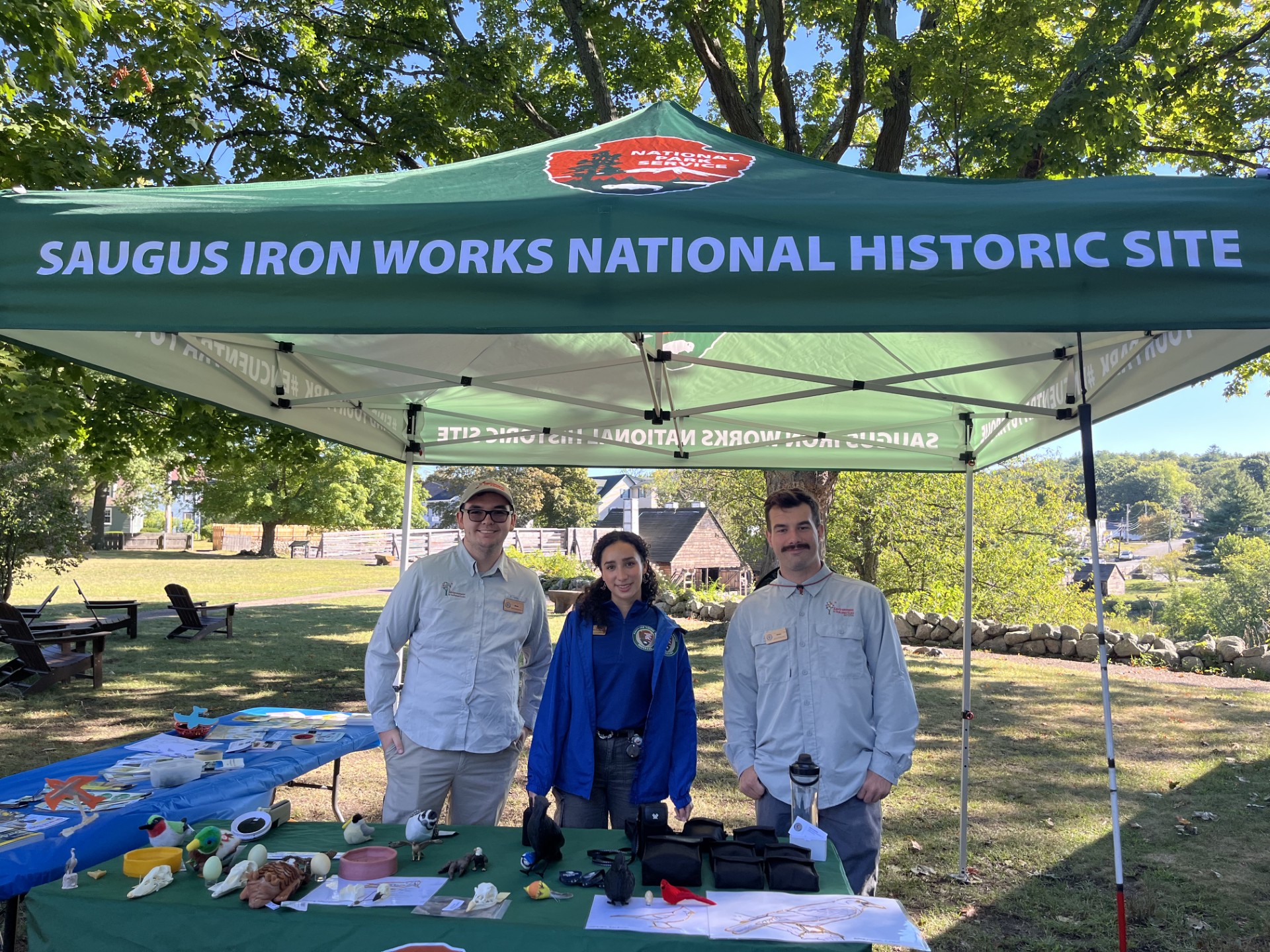
Three interns outdoors behind a table with accessible birding materials, under a tent that says Saugus Iron Works National Historic Site.

Birding at Saugus Iron Works

Let's go Birding

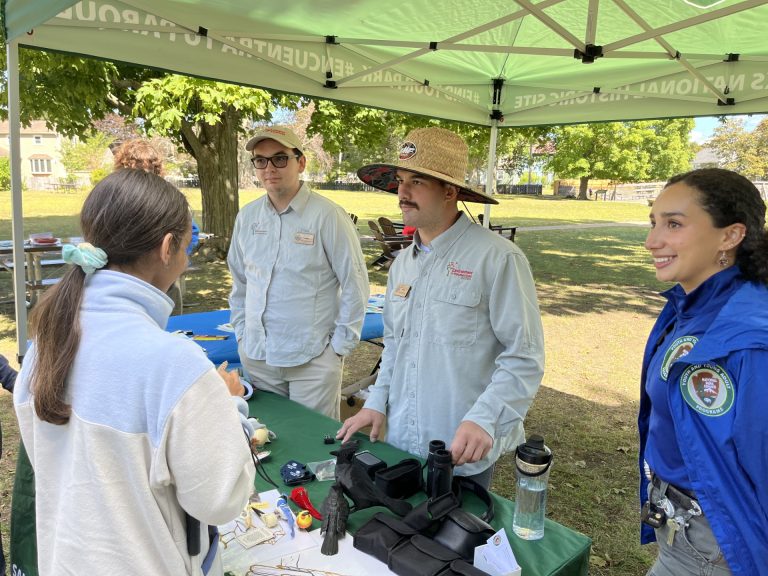
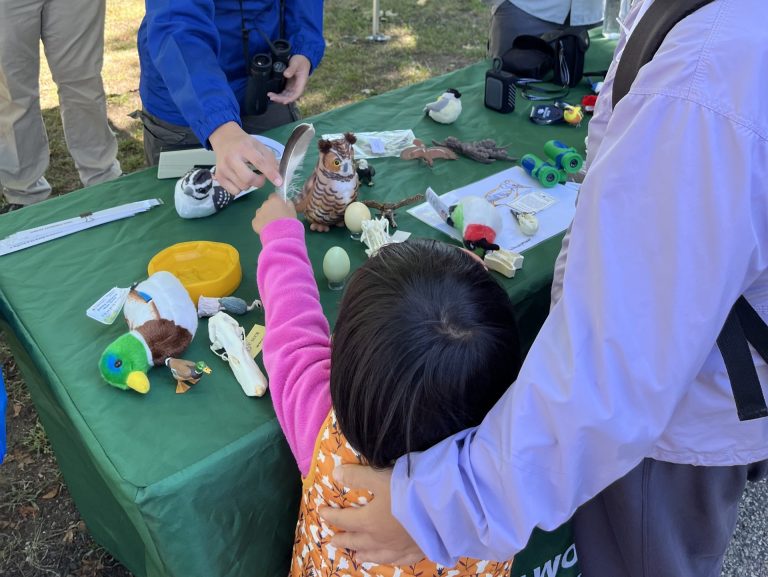
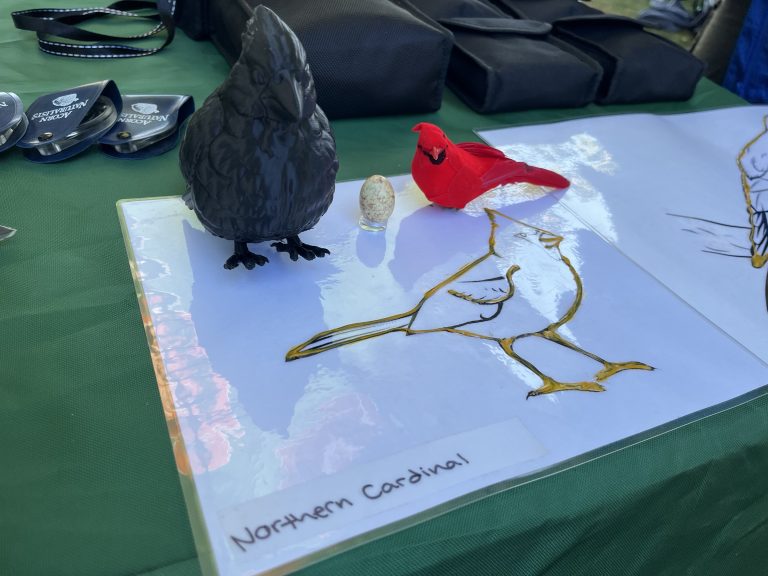
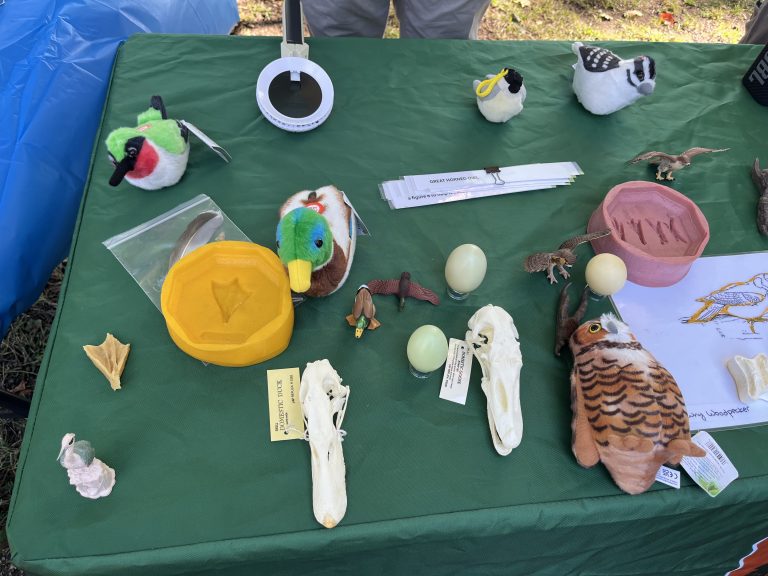
Last Saturday, August 30th, Let’s Go Birding interns Shane Cremmen and Diego Benites hosted a birding program accessible to blind and people with low-vision at Saugus Iron Works National Historic Site. It was an absolutely gorgeous day out and we had some people show up specifically for the program, and others approached our setup out of curiosity. There were tactile models of different birds like a bald eagle, a great horned owl, and a mallard. Some outlines I’d made last year, and they were still in use. Tatiana Mihaita with Environment for the Americas was visiting our internship program, and she took a lot of pictures throughout the morning.  

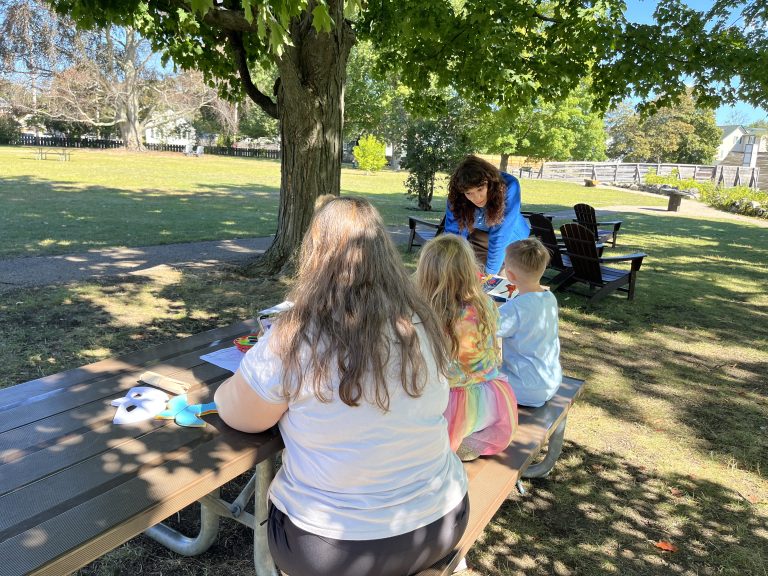
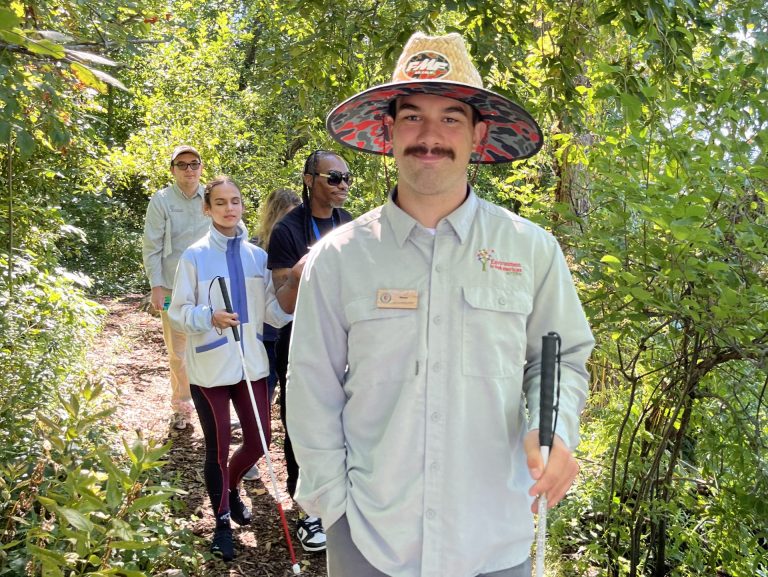
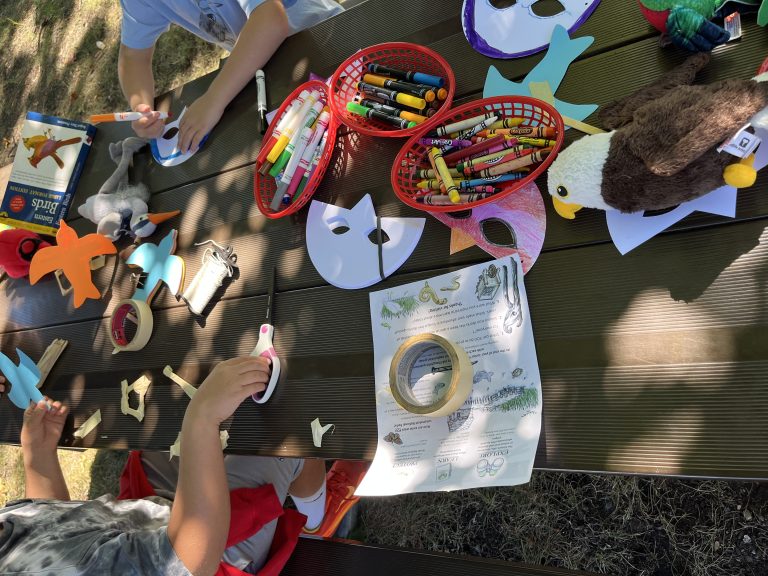
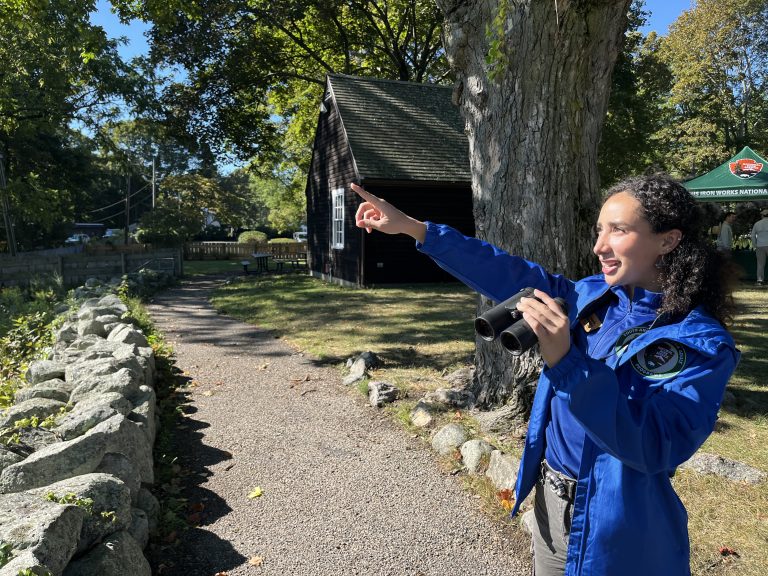
Several families were involved with the program for a couple of hours, which was very sweet to see. Some people borrowed binoculars and went down to the site to explore, and kids made some bird masks at the crafts table.  

Zine making

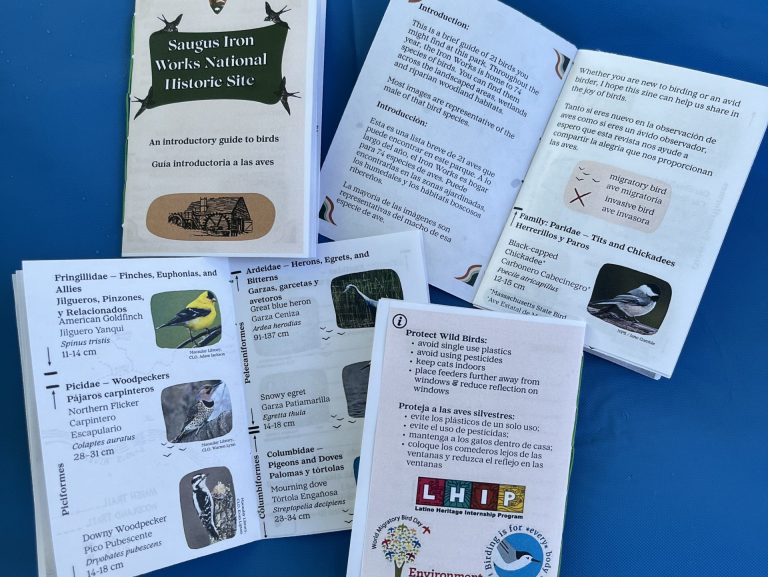
Using information I’d compiled for last year’s birding program, I made zines for the event in English and Spanish that could serve as a pocket guide for visitors. The small booklet included 21 birds that might be found at the park. I indicated whether some birds were considered migratory or invasive. This time I grouped them by order then family for the sake of better organization. It is very similar to a handout I had made last year except it’s cuter. My hope is that a zine feels less disposable than a trifold. 

Blacksmithing at the Iron Works

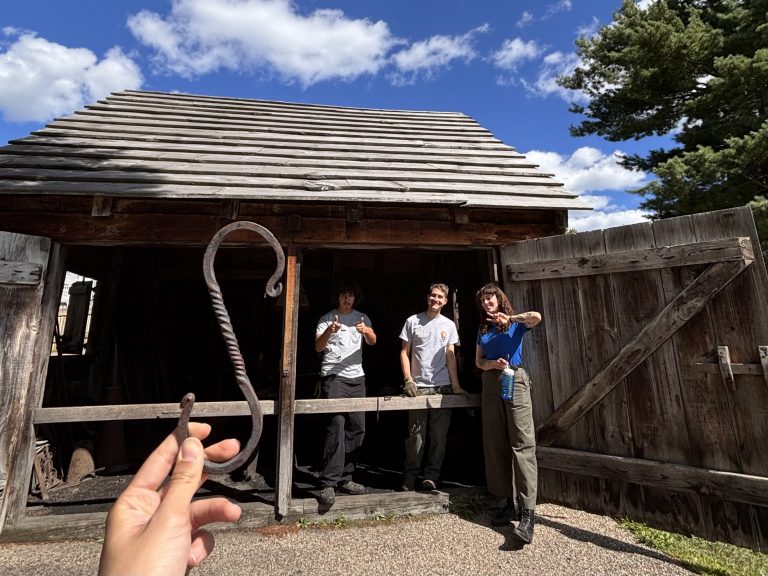
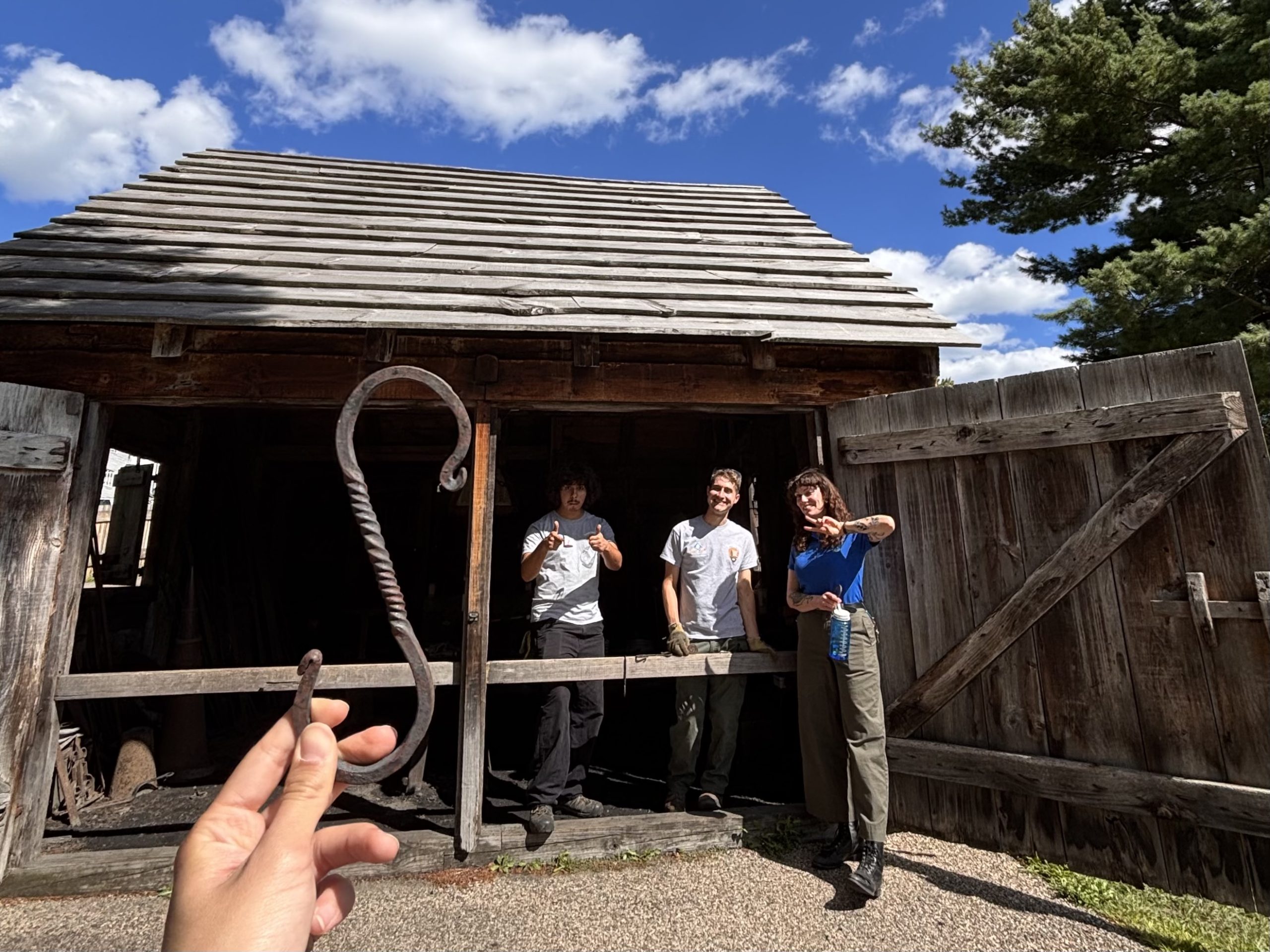
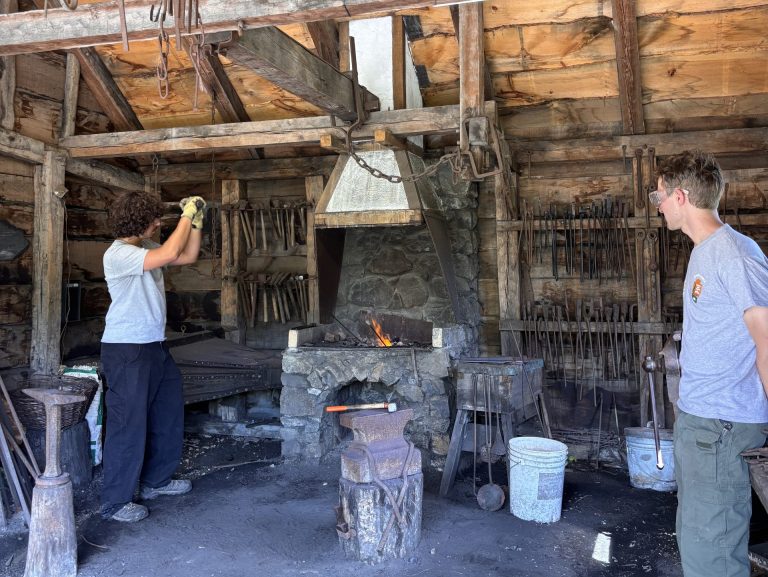
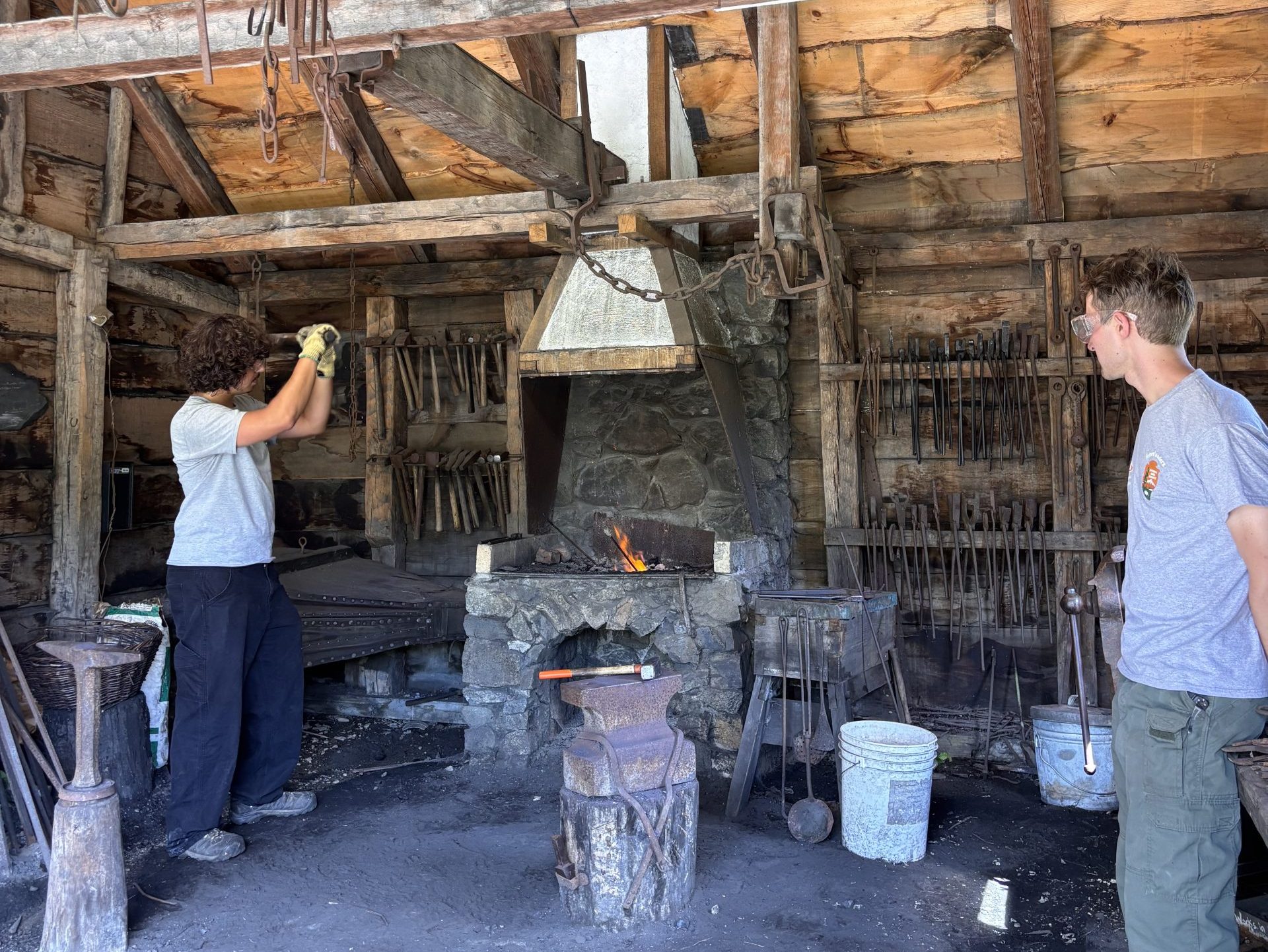
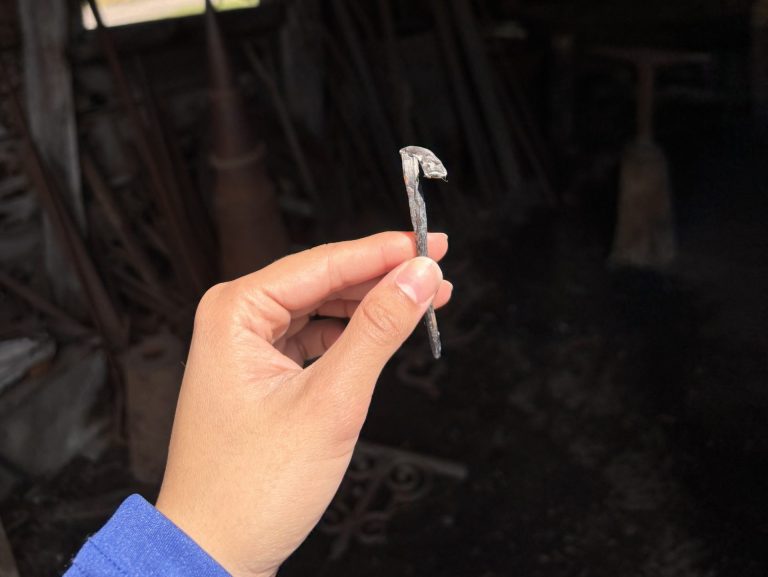
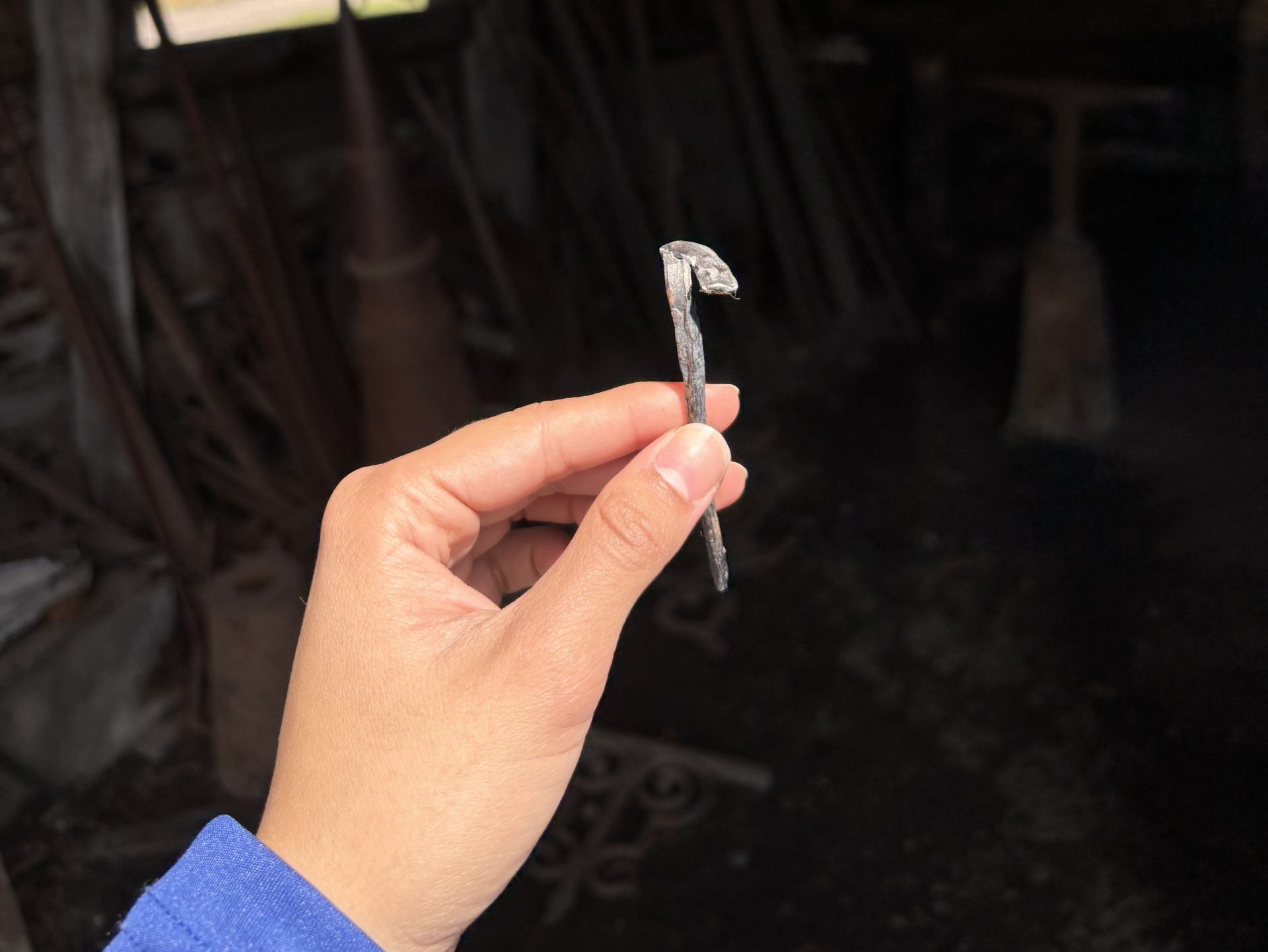
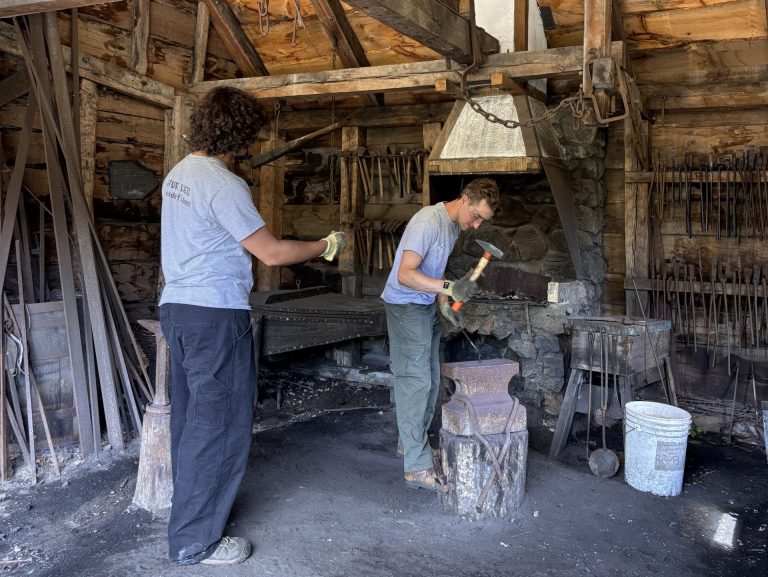
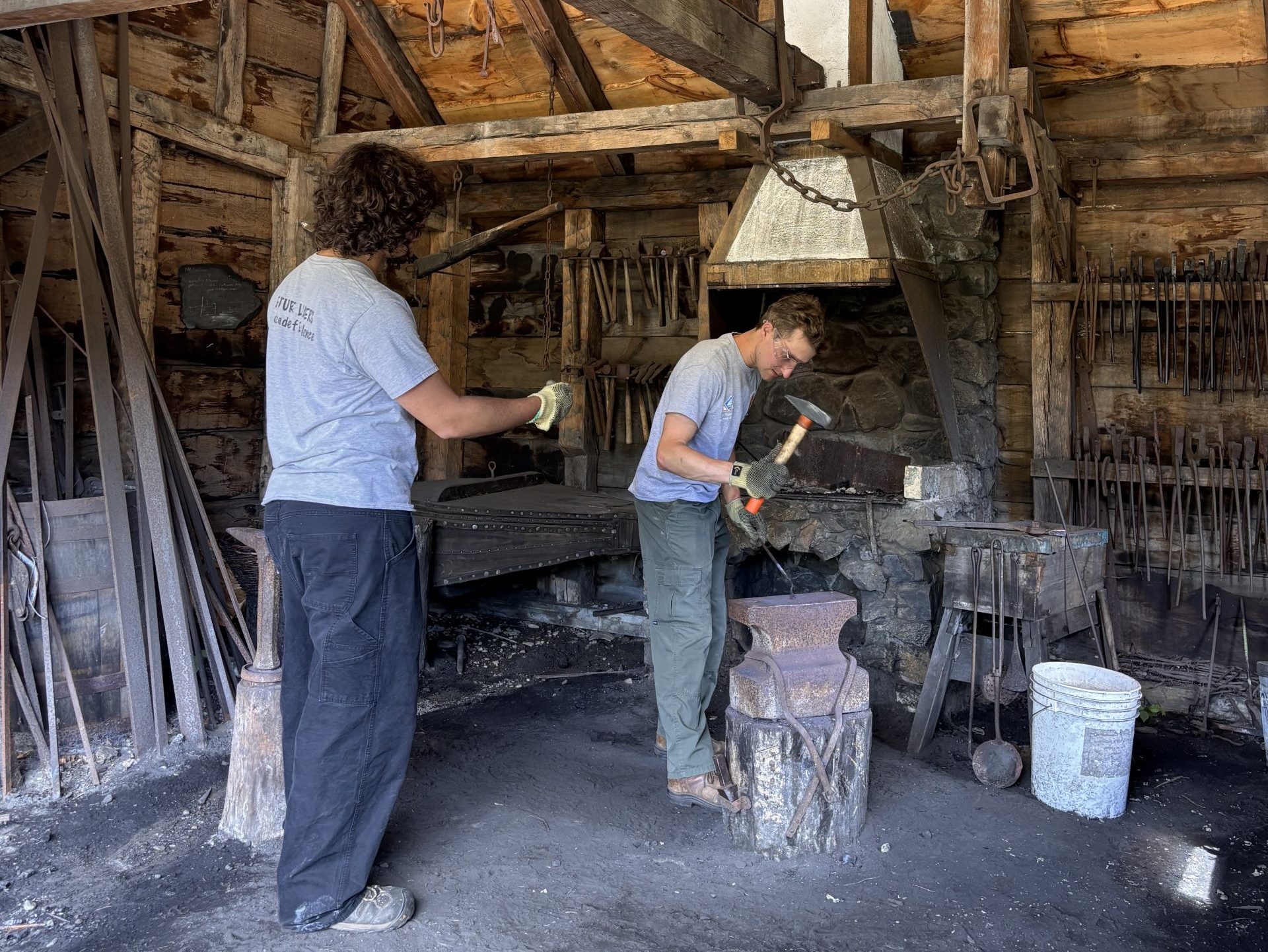
While at Saugus, I was lucky enough to be there during a blacksmithing demonstration. Former Park Ranger Ryan Duggan is now a blacksmithing instructor and metal artist at the Iron Works on Saturdays. This is him with Future Leader Thomas Cabral Mandracchia forging a nail. 

Narbonne house

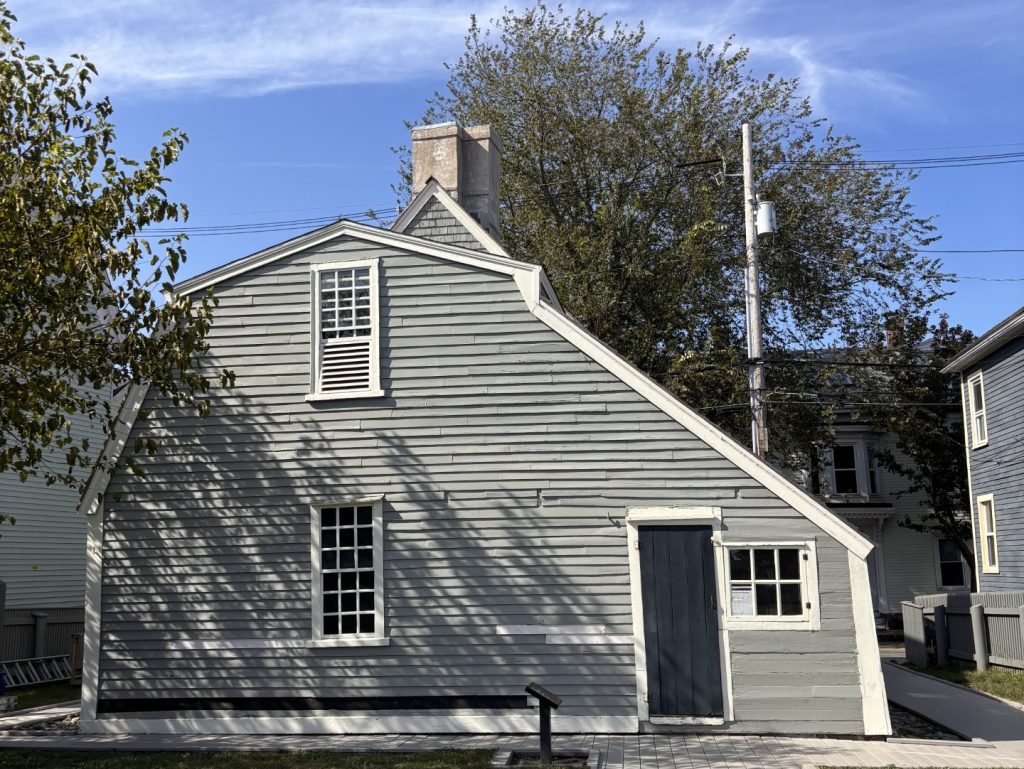
I helped interpret the Narbonne House, which was a nice change of scenery. At this point, the house has been around for 350 years, so it’s got quirks. It’s interesting to share the stories of working-class people, especially those of women.  

My favorite part to point out is the cases of artifacts recovered during archaeological digs in the backyard during the 1970s. What is on display is essentially trash, and this informs the interpretation of the house’s history about what the inhabitants’ day to day might’ve looked like. It makes me wonder what historians would know about us and our lives if we buried our things in our yards and they got to dig through even just an accumulated couple of years of trash. None of the items displayed at the Narbonne house was plastic, but most of our trash would be.  

♥ some moments that brought me joy ♥
No Comments

Post A Comment